

NOAA Teacher at Sea
Sinh Nguyen
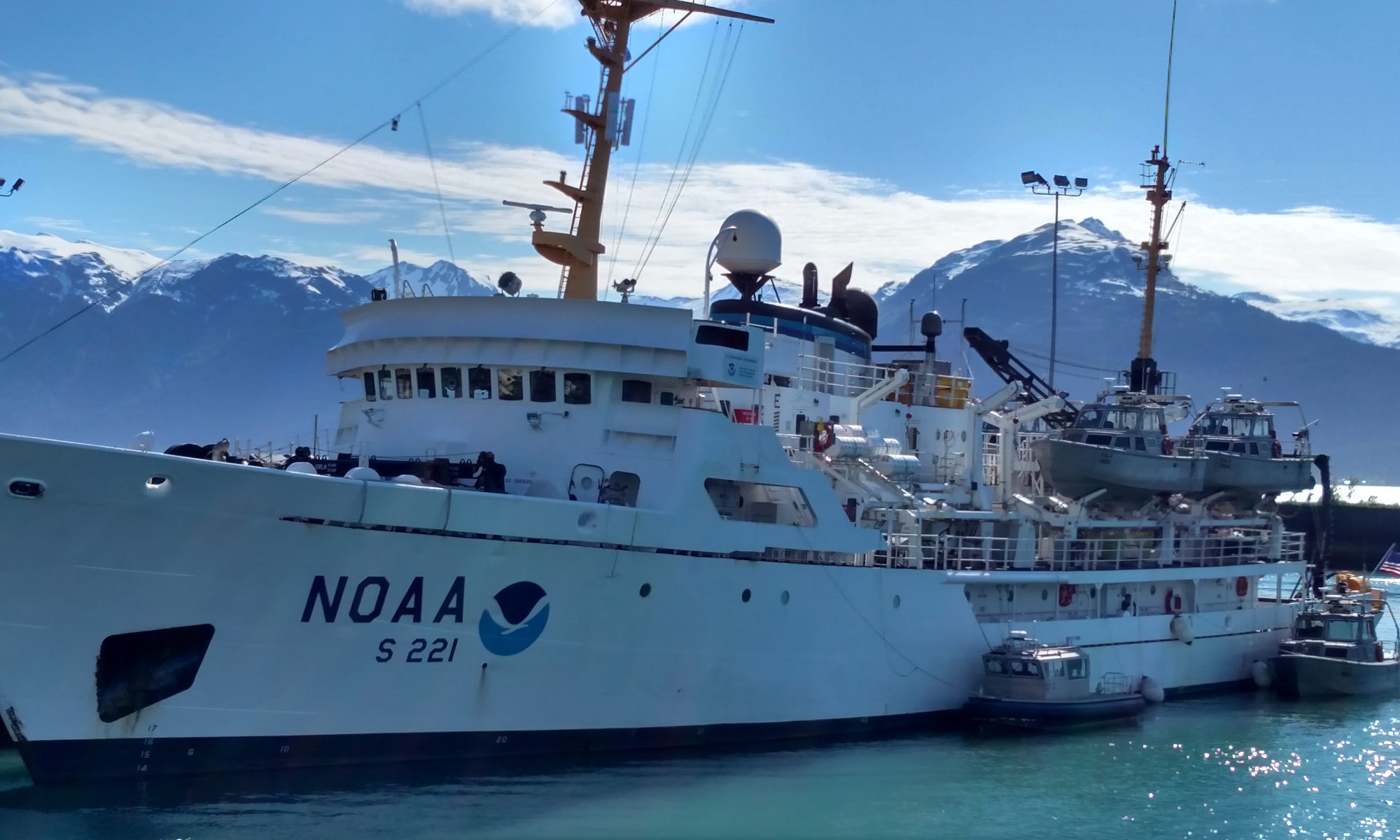
Aboard NOAA Ship Pisces
July 7, 2025 – July 24, 2025
Mission: Larval Bluefin Tuna Slope Survey
Geographic Area of Cruise: North Atlantic Ocean, Slope Sea
Date: July 8, 2025
Weather Data:
12:06 PM Eastern Time
Currently, the temperature is 28.9°C (84°F). The wind speed is 10 knots.
Career Log
Uplift Education, Mighty Primary scholars: Howdy from the sea! Mr. Nguyen here. I hope you’re enjoying your summer (and reading lots of books). Yesterday, I moved onto NOAA Ship Pisces. It was a long day at the port meeting everyone and learning the rules.


On the ship are the following crews, or teams: NOAA Corps, deck department, engineering, survey, stewards, electronics, and scientists – which I’m a part of. Excitingly, there was a Change of Command ceremony, a special event when one commanding officer (CO) gives the ship to a new one. So, in honor of this celebration, I’ll be dedicating this post to the ceremony and to the career stages of NOAA Corps officers!
NOAA stands for National Oceanic and Atmospheric Administration. They study and protect the ocean, weather, and animals.
Uplift Education, Mighty Primary scholars, what kind of animals do you think NOAA study in the ocean and in the sky? Let’s think, act them out, and draw! If you’d like, ask your parents to post your work in the comments!
A NOAA Corps officer is like a scientist and a ship captain. They wear uniforms and lead missions (special tasks) on ships. We respectfully address an officer by his/her rank or ship position. Yesterday, I got to see a Change of Command ceremony. That’s when one commanding officer (CO) finishes his/her job, and a new commanding officer (CO) takes over the ship. It’s kind of like picking and celebrating a new class leader. It shows respect, teamwork, and leadership.


The ceremony took place outside Pisces. All officers wore white uniforms with badges and stripes that showed their rank (like how high their job is) and accomplishments (the amazing things they’ve done). Families, friends, and crew members said goodbye to the former CO and later cheered for the new CO. There were speeches and salutes to celebrate! After the event, there was time for lots of photos and personal congratulations.


Seeing this ceremony was a great way to understand NOAA Corps officers and the importance of their work.
It takes a lot of practice and leadership skills to become a NOAA Corps officer! Here’s how it works:
- Apply to join: https://www.omao.noaa.gov/noaa-corps
- If accepted, go to Basic Training Academy as an Ensign.
- Complete Basic Officer Training Class
- Serve as a Junior Officer aboard a NOAA Ship
- Show leadership, earn sea time, and complete more training.
- Be promoted to Lieutenant Officer and you may be selected as an XO.
- Get more leadership training and experience and you may be selected as a Commanding Officer (CO).
Can you list and write the steps someone takes to become a NOAA ship leader?

The NOAA Corps supports all crews on ship in many important ways. For the science crew, they make it possible for scientists to do their work safely and successfully on sea. Learning more about NOAA Corps makes us appreciate their incredible leadership and accomplishments!
In the classroom, how can you start developing your leadership skills? Just like NOAA Corps officers, we can show leadership skills in many ways. Every day is a chance to grow into a leader. Which learner profiles can we demonstrate to help others, take responsibility for our actions, and work together as a team? Go ahead and point to a trait that you can commit to for the new school year.

Personal Log
There was so much to learn about crew members and rules, but everyone was so helpful. I felt like many of you have before, like a new student on the first day of school. A challenge was figuring out the layout, or set-up, of Pisces. At first, it felt like a maze as I was trying to figure out where to go and which rooms are in which deck. However, after asking for help, I was able to understand the layout better.

I really felt welcomed by my Chief Scientist, Dave Richardson, and by his science crew. The Chief Scientist is responsible for leading science research during this mission. In my next post, I’ll share more about the scientific work we’re doing at sea!


Did You Know?
On NOAA ships, there are different names used for what we’re usually used to. For example:
Bedroom = stateroom
Bathroom = head
Floor = deck
Kitchen = galley
Dining Room = mess deck
Front of the house: Bow (front of the ship)
Back of the house: Stern (back of the ship)

Learn more about NOAA Ship Pisces here: https://oceanexplorer.noaa.gov/technology/vessels/pisces/pisces.html
Explore previous research missions here:
https://www.ncei.noaa.gov/maps/ocean-exploration-data-atlas/