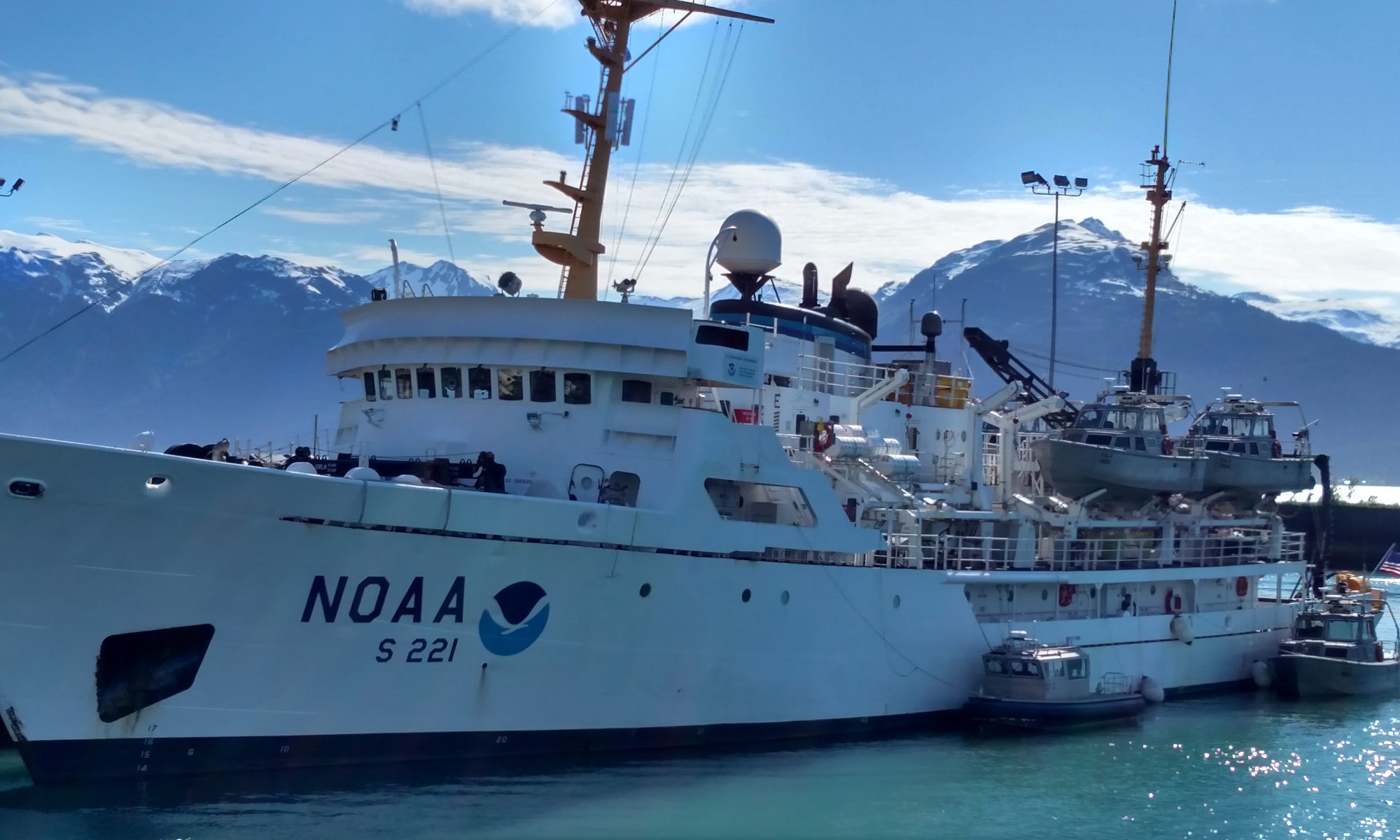

NOAA Teacher at Sea
Susan Kaiser
Aboard NOAA Ship Nancy Foster
July 24 – August 4, 2012
Mission: Ecosystem Survey
Geographical area of the cruise: Florida Keys National Marine Sanctuary
Date: Tuesday, June 26, 2012

Can you find the Sculpin fish?
My first ocean encounter happened while on an overnight field-trip to San Francisco in 7thgrade. Our Science Club traveled from Reno, Nevada by school bus to visit a museum, the Fisherman’s Wharf, and the tide pools on the coast. I had no idea how this experience would eventually impact my life. Our teachers, who were our guides, lead the group to a steep drop off where the land ends and the beach lies below. Carefully we picked our way single file down a worn path cutting through a sea of ice plants descending slowly to the sandy shore. Outcroppings of rocks trapped the cold ocean water, forming small natural containers for water AND living sea organisms. We had to step carefully to be sure of our footing and to avoid crushing the live inhabitants of these rocks. California mussels closed tight to preserve their moisture, and slippery seaweed covered most of the rock surface. They were waiting for the sea level to rise again. Peering into the sparkling pools revealed spiny purple sea urchins, colorful sea stars and tiny crabs, betrayed by their movement across the pool bottom. Seeing these organisms up close was amazing to me and created a lifelong memory. It awakened a curiosity about living things that inspired me to study biology in college and become a science teacher.
I am Susan Kaiser and I teach 7th grade Life Science at Pine Middle School in Reno, Nevada. Soon, I will be embarking on a voyage that combines all of these elements: biology, sea organisms and teaching. It promises to be even more memorable than my first trip to a tide pool. Best of all, I get to bring my students at Pine along with me! Well, at least through this blog…read along and see what is in store.
Since, 1990 NOAA (National Oceanic and Atmospheric Administration) has been including teachers on board their research vessels through a unique program called Teacher at Sea. Each year teachers apply from across the county and about 25 are selected to participate. After several years of wanting to apply, I finally mustered my courage and completed an application. I am proud to have been selected and will sail aboard the NOAA Ship Nancy Foster leaving from the port of Key West, Florida. I will have the opportunity to observe and learn about organisms in the Florida Keys National Marine Sanctuary with the help of the crew and scientists led by chief scientist, Scott Donahue. Their research includes monitoring sensitive marine organisms over a long period of time. In this way, scientists can detect population changes that may occur due to extreme events such as hurricanes, harmful algal blooms (HAB) or more recently, impacts of possible oil spill contamination. You can see that I have some homework to do to prepare for this adventure. I am reading the websites you can click on and learning all I can to contribute to the success of the mission.

If it could get any more exciting, I saved the biggest news for last. In addition to working alongside the scientists and living on an ocean-going vessel for two weeks, I may also have the opportunity to snorkel in the coral reef study areas. To be truthful, my snorkeling skills are a little rusty. Living in the desert makes it a challenge to stay in practice! The last time I snorkeled was on a family vacation in 2005. But not to worry, I have a plan. I have been spending time at the pool practicing with the snorkel equipment I borrowed from my friend and colleague at Pine Middle School, Jencie Fagan. It turns out that Ms. Fagan is SCUBA certified and willing to help me build my skills before I set sail next month. Thank you Ms. Fagan, you rock!

Photo by Larissa Hirning
It is time for my practice session at the pool. The next time you read my blog I will be writing from the NOAA Ship Nancy Foster. Join me on this adventure of ocean learning. What memory will you make of your 7th grade year in Science?


