Dr. Laura Brezinsky, April 12, 2004

NOAA Teacher at Sea
Laura Brezinsky
Aboard NOAA Ship Miller Freeman
April 8 – April 22, 2004

Day 4: Monday, April 12, 2004

Latitude: 59.31.830N
Longitude: 149 10.28’W

Weather: clear Visibility: 29.5-49.5 ft (very high)
Wind direction: 355 degrees
Wind speed: 6 (m/s)
Sea wave height: virtually flat
Sea level pressure: 143mb
Cloud cover: Nimbostratus

Science and Technology Log

This morning we are off the coast of Seward. We have been having difficulty retrieving a mooring because it is not vertical in the water. At the base of the mooring there is a switch that releases the mooring from the anchor by remote control. The switch also has a sensor that tells the ship what the position of the mooring is. Apparently the mooring is horizontal in the water rather than vertical and that is likely the reason why we cannot
find it. The boat will return with a remote rover that will find and retrieve the mooring.

For now, we will continue on and get the next mooring which is closer in to the coast.

Laura waiting for a mooring.

Personal Log

The seas are flat, the sun is shining and the coast is stunningly beautiful. We are close enough to land that I can see individual features. There is a very large coastal glacier directly inshore from us. I will try and look up the name of that glacier and report tomorrow on that.

Question of the day: What is the definition of a glacier? How are glaciers being used to track global change over geologic time?

Laura

Dr. Laura Brezinsky, April 10, 2004

NOAA Teacher at Sea
Laura Brezinsky
Aboard NOAA Ship Miller Freeman
April 8 – April 22, 2004

Day 1: Saturday, April 10, 2004
Foci Cruise, Leaving Kodiak Alaska on 4/08 and arriving in Dutch Harbor on 4/22

Latitude: 58.41.1690N
Longitude: 148 50.929’W
Cloud cover: partially sunny

Science and Technology log

This morning we are off the coast of the Kenai Peninsula near Seward Alaska. We retrieved and deployed a buoy at approximately 8 AM and will retrieve the next buoy in approximately 3 hours from that time. I interviewed my bunk mate Jennifer Key who is here conducting research on global circulation patterns. Her primary interest is the distribution of the dust from the Gobi desert and its effects on marine organisms. This is especially interesting to me because it is well known that dust from the Gobi Desert also provides significant levels of nutrients to the forests of Hawai’i.

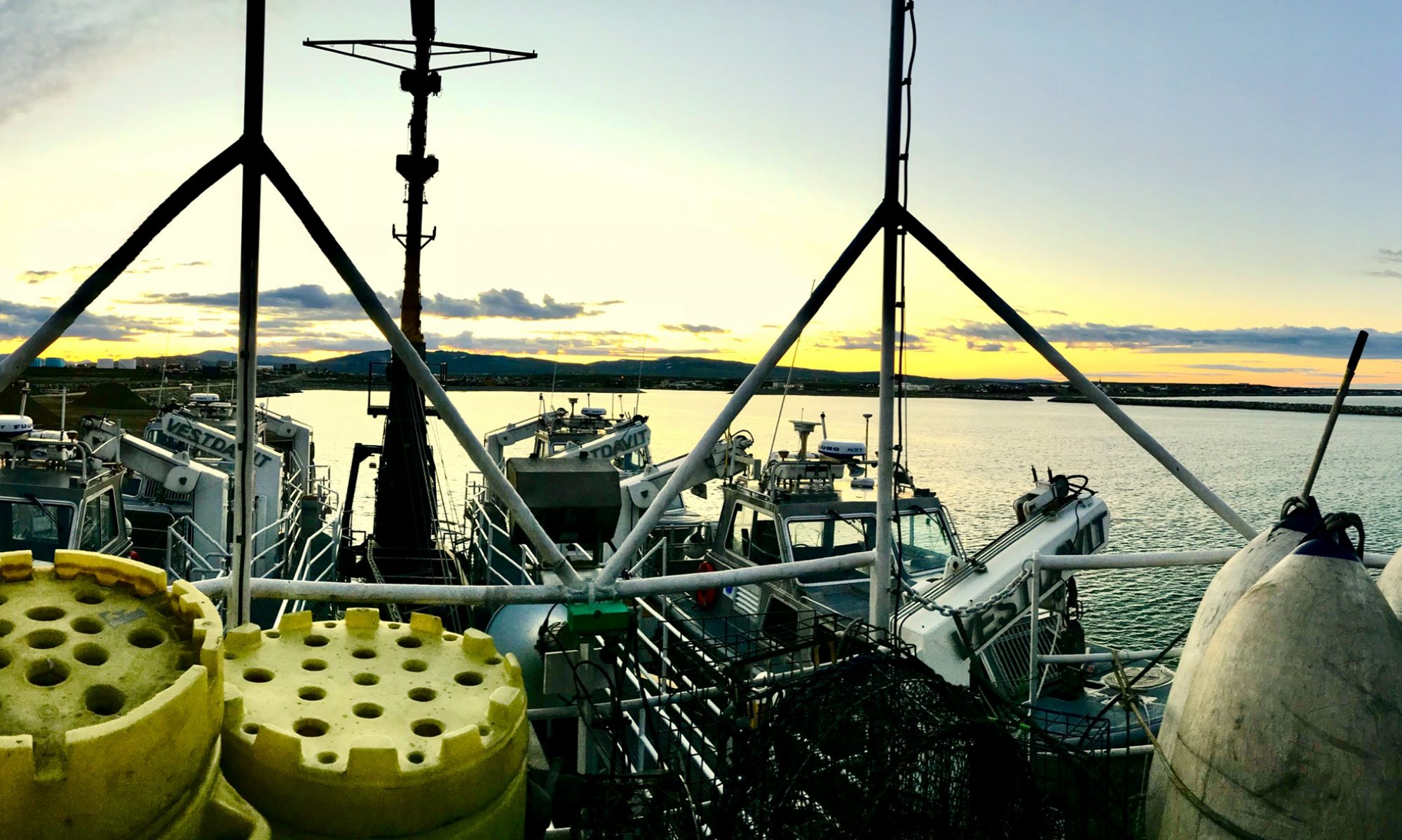
Sunset at Kenai
Sunset at Kenai

Personal Log

Last night I learned how to not fall out of my bunk in 30 foot seas. Lets just say that it’s not very restful. This morning I learned what the crew does, they wedge a survival suit under the outside edge of the mattress. The waves have come down quite a bit making it a lot easier to get around. Question of the day: What air currents distribute dust from the Gobi Desert around the world and where is that dust likely to end up? Until tomorrow… Laura

Picture of the crew retrieving a mooring buoy