Mavis Peterson, June 23, 2005

NOAA Teacher at Sea
Mavis Peterson
Onboard NOAA Ship Fairweather
June 21 – July 9, 2005

Mission: Hydrographic Survey
Geographical Area: North Pacific, Alaska
Date: June 23, 2005

Scientific Log 

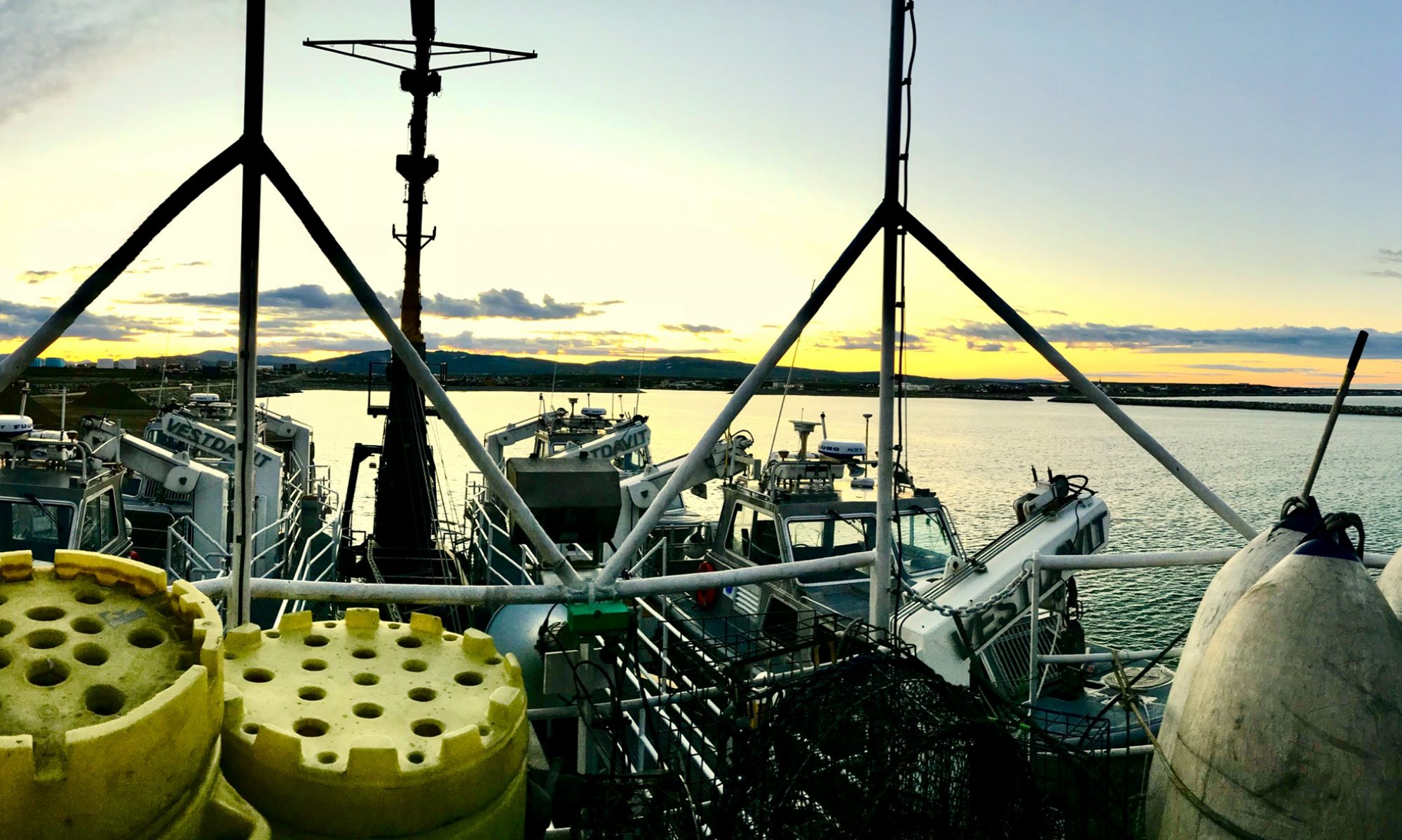
This is my first day out on the launch.  The computer on the launch stays there all the time and is loaded with the programs that are needed.  The sonar scanning devices, GPS and radar are also on the launch. The launch makes sweeping rows across the chosen area to be scanned overlapping each row slightly to prevent “holes” in the information gathered. The operators keep a close watch on the depth and if it gets too shallow, they leave that area for the smaller shore boats to gather information on.  I am learning so much, and trying to decide how I can share this information with my fourth graders.  Surely reading maps and following directions accurately will be lessons.

Personal Log 

The sea air has gotten to me in more ways than one.  Not only did I feel the wave action this afternoon, but upon returning, I am very cold so I am retiring early tonight after writing some notes, and checking out tomorrow’s schedule.

Mavis Peterson, June 21, 2005

NOAA Teacher at Sea
Mavis Peterson
Onboard NOAA Ship Fairweather
June 21 – July 9, 2005

Mission: Hydrographic Survey
Geographical Area: North Pacific, Alaska
Date: June 21, 2005

Weather Data
Lat.: 56 30.3’N
Long.: 156 21.4’W
Visibility: 10+
wind direction: 110
true wind speed: 16 knots
Sea wave height: 1
swell wave height: 175 Dir (true) 2ft.
seawater temperature: 10.3
sea level temp.: dry bulb 10 wet bulb 9
sea level pressure: 1014.4
cloud cover and type: cumulus nimbus overcast

Science and Technology Log

I arose before seven and after breakfast spent most of the morning in the chart room learning about the sonar testing. The sensors are attached to the bottom of the ship and fan out to each side. As the information is picked up by the sweeping action of the sonar, it is then transmitted to the computers, which have several programs to break down the information. The other piece of equipment that was used today was the “fish” or sound velocity profiler. It is an expensive piece of equipment that has many sensors in it that collect information that is relayed back to the computers. The fish is pulled behind the ship on a cable and taken down, for a dive reading, about every fifteen minutes to within about twenty-five meters from the ocean floor. This is a relatively new way of doing this test. It used to be that the ship would have to stop and they would physically have to drop and retrieve the fish do the test, read the results and then go at it again. This was a much slower process and often took a couple hours. The newer equipment usually works; however today they had to pull the fish in by hand, cranking it.

I spent the afternoon on the bridge. We saw a whale and some porpoises, but not close by. I just observe proceedings.

Personal Log

All day today, we were clipping right along rocking and rolling with the sea. I can’t imagine how sick I would have been if I had not gotten a patch. At least half of the crew are lying down and are as sick as I am. I was sitting in a chair at a computer on the bridge and on one heave, it rolled the chair right towards the door–just a little thrill. I went to my bunk early, got up for a few minutes at dinnertime and then was back down until ten. It seemed a little quieter, but I could not keep the chair at the table where I was writing, and the words on the page were jumping around like crazy so I called it a night.

I am paranoid about these tests they keep saying we will be doing. I keep my jacket at the ready and have a cheat sheet of where I am to go in my pocket.

Question of the day: What force causes the “fish” to go down when they want it to?


Mavis Peterson, June 20, 2005

NOAA Teacher at Sea
Mavis Peterson
Onboard NOAA Ship Fairweather
June 21 – July 9, 2005

Mission: Hydrographic Survey
Geographical Area: North Pacific, Alaska
Date: June 20, 2005

Science and Technology Log 

Departure time was 1:00 and we actually left dock at 1:20.  A beautiful day with puffy cumulus clouds in a bright blue sky.  Getting ready to go was quite a process.  Everything was tested. I watched as they checked the readouts on all the monitors throughout the ship. Equipment, like the rudder, the water and fire doors, were carefully checked.  A different flag was put out. Garbage was taken off the ship and the department heads were called to the bridge to check in with the captain.  The gangplank onto the deck and the anchor were lifted and we were off.

I was given a tour of the ship and places for me to be during different drills were pointed out. I received a “bunk card” on my door that explained the three alarms, what the alarm sounds would be, and what to have with me for each.

Once we reached deeper water, the rock and roll of the ship increased.  We were scanning our path, not because it was a work order, but because we were there.  The path we were taking was on the way to our work area and had not been scanned so they were making good use of their position. They had scanned a path on their way to this area last week, so now they were lined up right beside their old path.

Personal Log 

I spent most of the afternoon and evening familiarizing myself with the ship.  There are actually seven levels. My room is on level C.  It is small and very noisy but efficient.  I retired early, as laying down seemed to make me feel better.